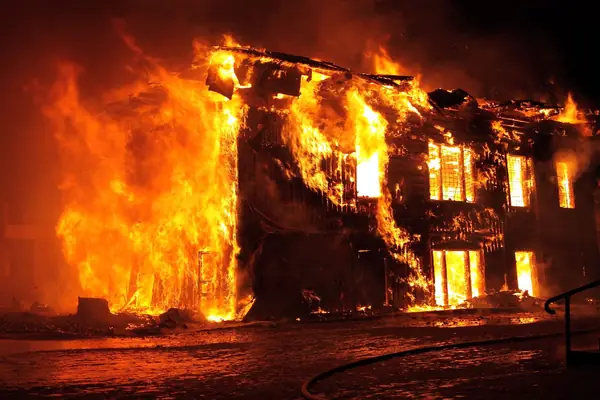
Short answer: To deal with an insurance adjuster after a house fire, be prepared, honest and organized. Document all the damage, keep a written log, get your own line-item repair estimate and ask for anything you disagree with in writing. The insurer's adjuster works for the insurance company. If the offer seems too low, you can ask for a reinspection, use the policy's appraisal clause, hire a public adjuster or file a complaint with the Tennessee Department of Commerce and Insurance.
After a fire, the adjuster's visit can feel like the most important meeting of your life. In many ways it is. The adjuster's scope of loss shapes how much the insurer pays. Nashville Fire Removal Pros can connect you with a local provider for fire damage repair in Nashville, who can write a detailed estimate to compare with the adjuster's.
This is general information, not legal or insurance advice. For a large or disputed claim, talk with an attorney or a public adjuster.
Who does the fire insurance adjuster work for?
The adjuster your insurer sends works for the insurance company, not for you. That doesn't make them an opponent, but it means you need your own records. There are three kinds of adjusters:
| Type | Who hires them | Who they work for | Cost to you |
|---|---|---|---|
| Staff adjuster | The insurance company, as an employee | The insurer | None |
| Independent adjuster | The insurance company, as a contractor | The insurer | None |
| Public adjuster | You | You | Usually a percentage of the settlement |
TDCI notes that public adjusters in Tennessee must hold a state license and are paid a percentage of the claim.
How to prepare before the adjuster arrives
- Read your policy. Look at the declarations page for your limits, deductible and whether you have replacement cost coverage.
- Photograph everything. Take photos and video of every room, ceiling and closet, plus the attic, basement and outside.
- Keep damaged items. Don't throw things away before the adjuster sees them unless they are a hazard.
- Make temporary repairs only. Cover holes and broken windows to prevent more damage, and keep receipts. TDCI advises waiting on permanent repairs until the insurer has inspected and you agree on costs.
- Start a contents list. Write down damaged belongings with brand, age and approximate cost.
- Get your own estimate. A line-item estimate from a restoration provider gives you something to compare.
- Start a claim log. Record every call and email: date, name, what was said.
What to say, and not say, to a fire insurance adjuster
Stick to facts. Be polite, honest and specific.
Do:
- Walk the adjuster through every damaged area, including smoke damage in rooms the fire didn't reach.
- Point out hidden spots: the attic, ducts, inside cabinets and closets.
- Give copies of photos, receipts and your contents list, and keep the originals.
- Ask for the adjuster's name, contact details and when to expect the estimate.
- Ask for anything important in writing.
Don't:
- Guess about the cause of the fire or how long a problem existed. If you don't know, say so.
- Exaggerate or leave things out. Misstating facts can put your claim at risk.
- Sign a release or final settlement before you understand it.
- Agree to a number on the spot. You can review the estimate first.
- Sign over your insurance check to a contractor. TDCI warns against this.
How to check the adjuster's estimate
The adjuster's estimate is a list of tasks, materials and prices. Compare it line by line with your provider's estimate.
Every room with fire, smoke or water damage is listed. Smoke cleaning covers walls, ceilings, ducts, cabinets and closets, not just the room that burned. Drying and water removal from firefighting are included. Contents cleaning or replacement is included. Debris removal and permit costs are included. Materials match what you had, such as hardwood instead of laminate. Depreciation is shown clearly, and you know whether it can be recovered after repairs. Code upgrades are addressed if your policy has ordinance or law coverage.
Hidden damage often appears once walls are opened. When that happens, your provider can send a supplement to the insurer to add the extra work. TDCI advises reporting hidden damage when you find it.
What if the fire claim offer is too low?
You have several options, roughly in this order:
- Ask for a written explanation. Tennessee's Unfair Claims Settlement Act lists not promptly giving a reasonable explanation for a denial or compromise offer as an unfair claims practice.
- Send your own estimate and photos. Point to the specific line items you dispute.
- Request a reinspection. Ask the adjuster or a supervisor to look again with your provider present.
- Use the appraisal clause. Many policies let each side choose an appraiser, with an umpire to settle differences over the amount of loss.
- File a complaint with TDCI. TDCI's Consumer Insurance Services team mediates between policyholders and insurers. TDCI reports it returned more than $15.67 million to Tennesseans through these efforts in 2025.
- Talk with an attorney. For a large or stalled claim, legal advice may be worth it.
Should you hire a public adjuster in Tennessee?
A public adjuster can help with a large, complex or stalled claim. They document the loss, prepare the claim and negotiate with the insurer for you. In return, they take a percentage of the settlement.
A public adjuster may make sense when the damage is extensive, the insurer's estimate seems far too low, or you don't have time to manage the claim. On a small, clear claim, the fee may cost more than it gains. Tennessee requires public adjusters to hold a state license, so ask for it before you sign anything.
Tennessee fire claim rules to know
Two state laws matter most when a claim stalls:
- Unfair Claims Settlement Act, Tenn. Code Ann. § 56-8-105. It lists unfair claims practices. Examples include not responding promptly to claim communications, not investigating reasonably, and not approving or denying coverage within a reasonable time after proof of loss.
- Bad-faith penalty, Tenn. Code Ann. § 56-7-105. If an insurer refuses to pay a covered loss within 60 days after a formal demand, and a court finds the refusal was not in good faith, the insurer can owe up to 25 percent more on the loss.
Other TDCI rules protect you during repairs. Contractors can't require a down payment above one-third of the contract. If a contractor takes your money and doesn't do the work within 90 days, you can report it to local law enforcement under Tennessee's felony theft law.
How to keep the fire claim moving
- Put requests in writing. Email creates a dated record.
- Follow up on a schedule. If you haven't heard back, check in every few days.
- Know your deadlines. Your policy sets deadlines for notice, proof of loss and lawsuits.
- Ask about advances. Some insurers pay part of the claim early for urgent needs such as housing and clothing.
- Track living expenses. Keep every receipt for hotels, meals and mileage.
Local note: Claims look different around the metro. High-value contents in Brentwood homes often need specialized inventories. Historic houses in Franklin may need code upgrades that adjusters must account for. Rentals in Murfreesboro usually involve two insurers, one for the landlord and one for the tenant.
Related reading: Know your coverage with does homeowners insurance cover fire damage, see is smoke damage covered by insurance for smoke-only claims, and read fire damage restoration cost to understand what drives the estimate. If the fire just happened, start with what to do after a house fire.
When should you call a fire damage restoration professional?
Call a restoration provider when:
- You want a line-item estimate to compare with the adjuster's.
- Hidden damage showed up after walls or floors were opened.
- The adjuster's scope leaves out smoke, water or contents work.
- The house still needs board-up, drying or cleanup while the claim is reviewed.
Need a repair estimate for your Nashville fire claim? Call (615) 458-0921 to reach a local fire damage restoration provider.
Fire insurance adjuster questions
Does the insurance adjuster work for me?
No. A staff or independent adjuster works for the insurance company. Only a public adjuster you hire works for you.
Should I give a recorded statement?
Your policy may require you to cooperate, which can include a statement. Stick to facts you know, and it's reasonable to ask questions or get advice before a recorded interview on a large claim.
How long does a fire insurance claim take?
Small claims may settle in weeks. Large claims with rebuilding, supplements or disputes can take months. Prompt documentation and written follow-up help.
Can I get my own estimate?
Yes. You can have a restoration provider or contractor of your choice inspect the damage and write an estimate to share with your insurer.
What is a proof of loss?
It is a sworn statement listing what was damaged and how much you are claiming. Many policies require it within a set time after the insurer asks, so check your policy's deadline.
Sources
- TDCI: Rebuilding after a loss, managing the claims experience
- TDCI: File an Insurance Complaint
- TDCI: Insurance tips and complaint results for 2025
- Tenn. Code Ann. § 56-8-105: Unfair claims practice (Justia)
- Tenn. Code Ann. § 56-7-105: Bad-faith failure to pay (Justia)
- TDCI: Tips on filing insurance claims, hiring contractors and avoiding scammers
Last reviewed November 11, 2026. General information, not legal, insurance or professional advice. See the editorial policy for how this page is researched and updated.