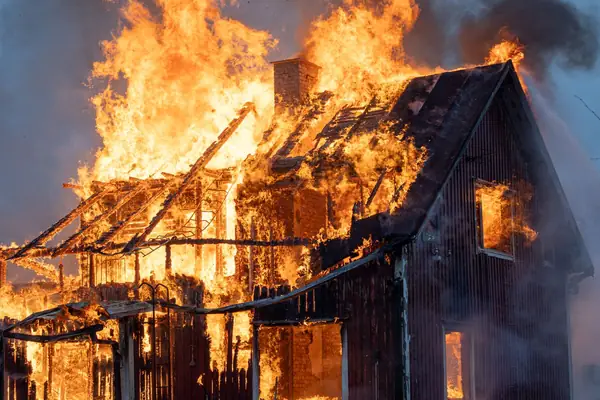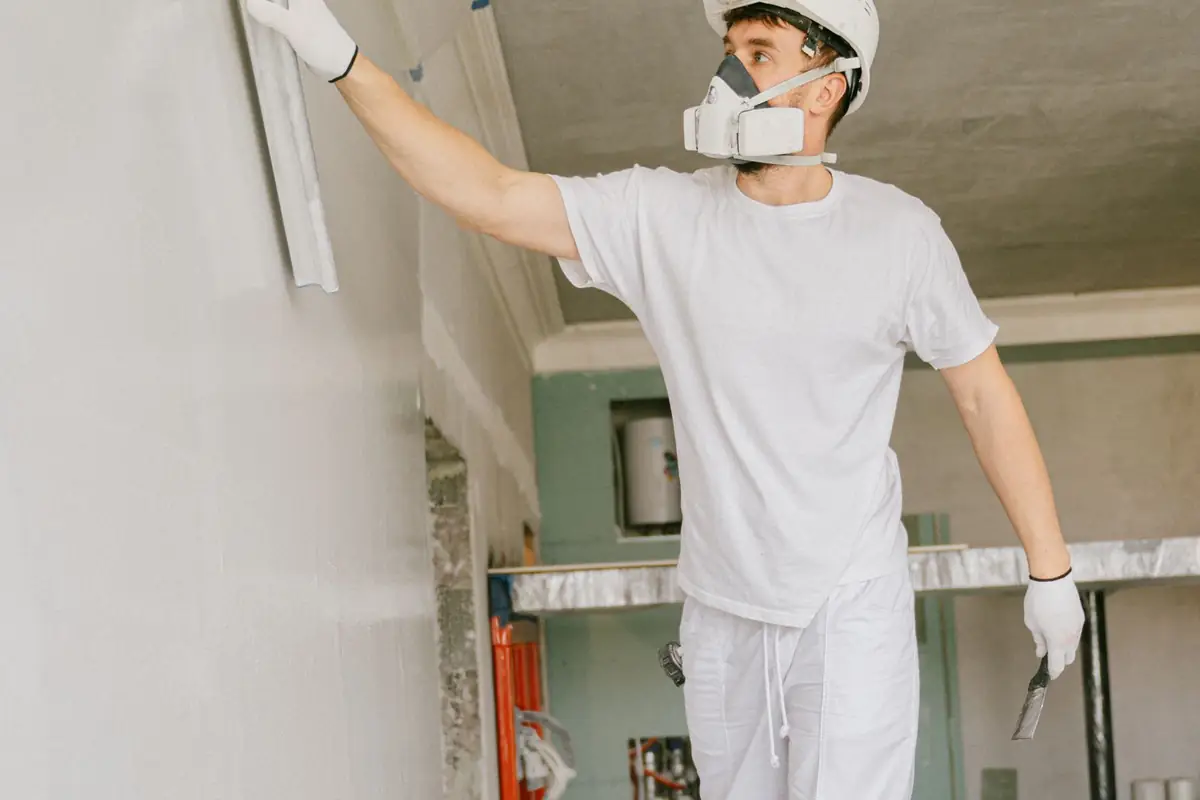
Quick answer: Mold remediation in Nashville, TN contains the affected area, removes mold growth and the porous materials it has damaged, cleans with HEPA vacuums, and fixes the moisture source. EPA guidance says mold usually will not grow if wet materials are dried within 24 to 48 hours. So mold after a fire usually means drying was delayed or incomplete.
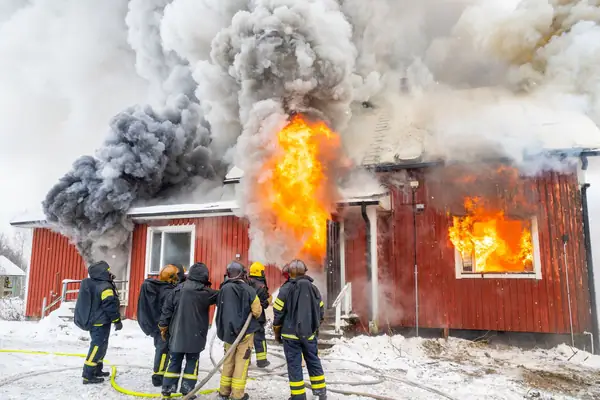
Mold needs moisture, a food source such as drywall paper or wood, and time. A fire supplies the moisture through hoses and sprinklers, and Middle Tennessee's humid summers slow natural drying. If firefighting water stays in wall cavities, crawlspaces or under flooring for more than a couple of days, mold can start to grow. A provider reached through fire damage restoration in Nashville can check for hidden moisture and handle remediation when needed.
What mold remediation includes
- An inspection to find visible growth, moisture sources and musty odors.
- Moisture mapping with meters and thermal imaging.
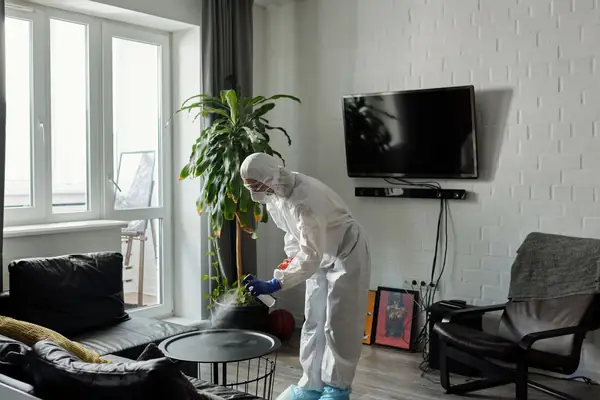
- Containment with plastic sheeting and negative air pressure to protect clean areas.
- Air scrubbers with HEPA filters running during the work.
- Removing moldy porous materials such as drywall, insulation and carpet pad.
- HEPA vacuuming and damp wiping of framing and hard surfaces.
- Drying materials to normal moisture levels and fixing the water source.
- Post-remediation verification before walls are closed and finishes go back.
Where mold shows up after a fire or leak
| Location | Why mold grows there | What helps |
|---|---|---|
| Wall cavities below the fire floor | Firefighting water runs down and stays trapped | Opening walls, drying, removing wet insulation |
| Crawlspaces | Water drains under the house and humidity stays high | Drying, dehumidification, vapor barrier repair |
| Carpet pad and subfloor | Pad holds water against the subfloor | Pad removal and subfloor drying |
| Attic insulation | Rain enters through fire-vented roof openings | Tarping, insulation removal, decking drying |
| HVAC ducts | Damp air and dust feed growth | Duct cleaning or replacement |
The mold remediation process
- Assessment. The provider finds the extent of growth and the moisture source.
- Containment. Work areas are sealed with plastic, and negative air pressure keeps spores from spreading.
- Air filtration. HEPA air scrubbers run throughout the job.
- Removal. Moldy porous materials are bagged and removed. Hard surfaces are HEPA vacuumed and damp wiped.
- Drying. Framing and subfloors are dried to normal levels with dehumidifiers and air movers.
- Verification. The area is inspected, and testing may be done, before rebuilding starts.
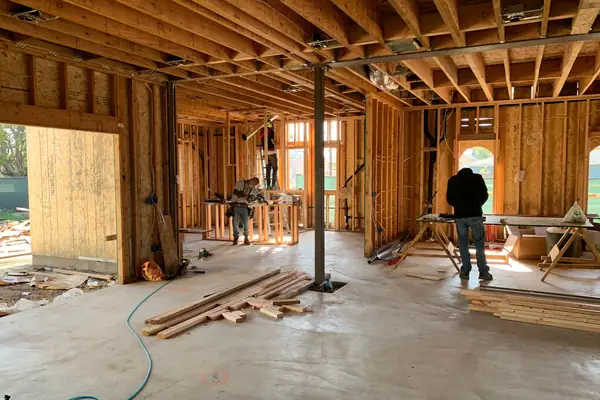
- Repairs. Drywall, insulation and finishes are replaced through fire damage repair.
What the EPA recommends
The U.S. Environmental Protection Agency says the key to mold control is moisture control. It advises cleaning up mold promptly and fixing the water problem, scrubbing mold off hard surfaces with detergent and water, and discarding absorbent materials such as ceiling tiles and carpet that become moldy. EPA also warns against painting or caulking over mold, since paint applied over moldy surfaces is likely to peel. It recommends keeping indoor humidity below 60 percent, ideally between 30 and 50 percent, and wearing an N-95 respirator, gloves and goggles when cleaning moldy areas.
Professional remediation follows the ANSI/IICRC S520 standard, which covers containment, removal and post-remediation checks. Larger mold problems, sensitive occupants, and mold inside HVAC systems are good reasons to hire a professional rather than clean it yourself.
Mold licensing in Tennessee
The Tennessee Board for Licensing Contractors lists Mold Remediation (S-F) as a specialty classification of the state contractor license, which applies to projects of $25,000 or more. For smaller jobs, Tennessee has no separate mold license. So the home improvement license rules apply in Davidson, Rutherford and the other adopting counties for projects above $3,000. Ask any provider which license and classification it holds, and check its insurance and training. Some homeowners hire one company for mold testing and a different one for remediation to avoid a conflict of interest.
What affects the cost of mold remediation
Cost depends on the size of the affected area, how much material must be removed, containment needs, whether HVAC ducts are involved, access to crawlspaces and attics, and whether testing is done before and after. Mold found early, before it spreads through a wall system, costs far less to address.
DIY vs. professional mold remediation
EPA guidance says small areas can often be cleaned by homeowners with proper protection. Call a professional when mold covers a large area, appears after firefighting or sewer water, is inside walls or ducts, keeps coming back, or when anyone in the home has asthma, allergies or a weakened immune system.
Insurance notes for Tennessee
Coverage for mold varies widely. Some policies cover mold that results from a covered event such as fire or a sudden pipe burst, often with a lower limit. Meanwhile, mold from long-term leaks or humidity is usually excluded. Check your policy and talk with your agent. The homeowners insurance and fire damage guide and the landlord insurance guide explain common terms.
Local note: Crawlspace homes in Goodlettsville and Madison and older houses in East Nashville and Inglewood often trap moisture under floors after firefighting, while lakeside humidity in Hendersonville slows drying in summer.
Mold remediation questions
How soon can mold grow after a fire?
Mold can begin to grow on wet materials in about 24 to 48 hours. Drying firefighting water quickly is the best way to prevent it.
Can I remove mold myself?
EPA guidance allows homeowners to clean small areas with protection, such as an N-95 respirator, gloves and goggles. Larger areas, hidden mold or mold after contaminated water should be handled by a professional.
Does bleach kill mold?
Bleach is not recommended as a first choice. EPA advises scrubbing hard surfaces with detergent and water and removing moldy porous materials, and warns never to mix bleach with ammonia.
Will painting over mold fix it?
No. EPA says paint applied over moldy surfaces is likely to peel, and mold can keep growing underneath. Clean, dry and fix the moisture source first.
Does insurance cover mold after a fire?
Some policies cover mold caused by a covered event, often with a limit. Mold from long-term leaks or humidity is usually excluded. Check your policy terms.
Sources
- EPA: A Brief Guide to Mold, Moisture and Your Home
- EPA: Mold Information Slideshow
- EPA: Mold Course Chapter 4
- Tennessee Board for Licensing Contractors: Contractor classification outline
- Wikipedia: Indoor mold
Last reviewed November 10, 2026. General information, not legal, insurance or professional advice. See the editorial policy for how this page is researched and updated.