Quick answer: Smoke odor removal in Nashville, TN works in two stages: first remove or clean the materials holding the odor, then neutralize what remains with treatments such as thermal fogging, hydroxyl generators or ozone. Skipping source removal is the most common reason smoke smell comes back on the first humid day.
Smoke odor comes from tiny particles and gases that settle into porous materials. Drywall, insulation, carpet, upholstery, wood and duct liners all absorb it. Heat opens pores during a fire, then they close as the house cools, trapping odor inside. When Nashville's summer humidity rises, those materials release the smell again. A provider connected through fire damage restoration in Nashville can test where the odor is coming from and plan the right mix of treatments.
What smoke odor removal includes
- Tracing the odor source room by room, including attics, crawlspaces and wall cavities.
- Removing materials that cannot be deodorized, such as soaked insulation and carpet pad.
- Cleaning all surfaces with residue-specific detergents through smoke damage restoration.
- Cleaning or replacing HVAC filters and assessing ductwork, since ducts can spread odor to every room.
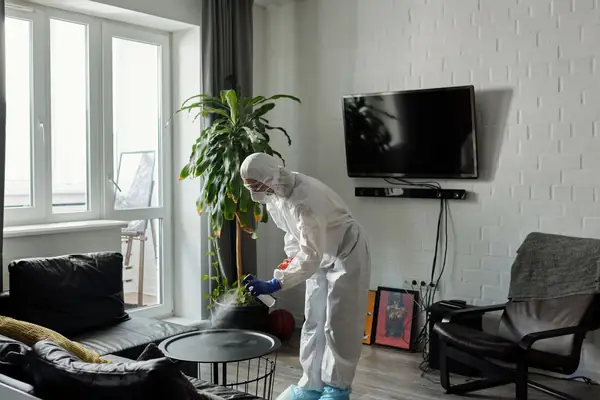
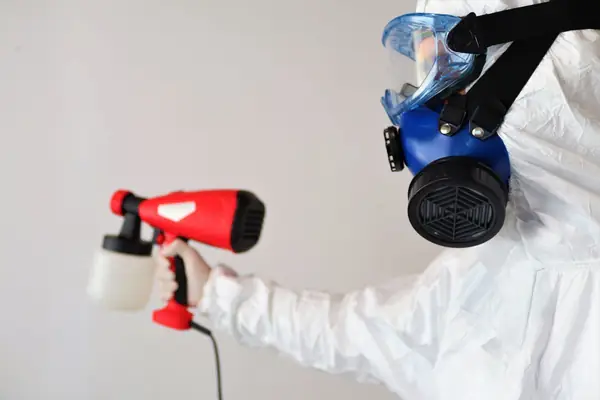
- Deodorizing with thermal fogging, hydroxyl generators or ozone, based on the space and occupancy.
- Sealing cleaned framing and drywall with an odor-blocking primer.
- Deodorizing contents on site or through contents cleaning and pack-out.
Where smoke odor hides
| Location | Why odor stays there | What usually helps |
|---|---|---|
| Attic insulation | Smoke rises and soaks into loose fill and batts | Removal and replacement |
| HVAC ducts and air handler | The system pulls smoke in during and after the fire | Filter change, duct cleaning, coil cleaning |
| Carpet and pad | Pad absorbs smoke and firefighting water | Cleaning or replacement of pad, deodorizing carpet |
| Wall cavities | Smoke pushes through outlets and gaps | Opening walls where needed, fogging, sealing |
| Upholstery and mattresses | Foam and fabric hold odor deeply | Specialty cleaning or replacement |
| Cabinets and closets | Closed spaces trap smoke with no airflow | Cleaning shelves, sealing interiors |
Deodorization methods compared
| Method | How it works | Notes |
|---|---|---|
| Thermal fogging | Heated deodorant fog travels into the same cracks smoke reached | The home must be empty during treatment and aired out after |
| Hydroxyl generators | UV light creates hydroxyl radicals that break down odor molecules | Slower, but people and pets can often stay nearby |
| Ozone treatment | Ozone gas oxidizes odor molecules | Ozone irritates lungs, so people, pets and plants must be out until it clears |
| Odor-blocking primer | Seals cleaned surfaces so odor cannot escape | Used on framing, subfloors and drywall after cleaning |
| Activated carbon and air scrubbers | Filter odor particles from the air | Supports other treatments during cleanup |
ANSI/IICRC S700 treats fire and smoke odor management as its own part of restoration, after source removal and cleaning. That order matters, because deodorizers cannot neutralize odor that is still being released by uncleaned residue.
The smoke odor removal process
- Odor survey. The provider checks every room, the attic, crawlspace and HVAC system to map where odor is strongest.
- Source removal. Materials too saturated to clean come out, and remaining surfaces are cleaned.
- HVAC treatment. Filters are replaced, and ducts and coils are cleaned if smoke reached them.
- Deodorization. The chosen treatment runs for the planned time, with the home closed and protected.
- Sealing. Cleaned framing and drywall are primed with an odor-blocking product before finishes go back.
- Verification. The provider rechecks the home after it has been closed up, ideally during warm or humid weather.
What affects the cost of smoke odor removal
Cost depends on the size of the home, how far smoke traveled, the residue type, how much material must be removed, whether ducts need cleaning, and how many deodorizing treatments are required. Protein residue from kitchen fires and burned plastics usually take longer to deodorize than wood smoke. A written estimate should list removal, cleaning, deodorizing and sealing as separate items.
DIY vs. professional odor removal
Opening windows, running a HEPA air purifier, washing hard surfaces and laundering clothes can help with light odor from a small, quick fire. Baking soda and vinegar bowls do very little for real smoke damage. Call a professional if the smell fills more than one room, returns after cleaning, comes from the vents, or is strongest in closets or the attic. Never run an ozone generator in an occupied home.
Insurance notes for Tennessee
Odor removal after a covered fire is usually part of the smoke damage claim. Adjusters may question repeated deodorizing, so ask the provider to document odor before and after treatment. The guide to smoke damage insurance coverage explains common questions about claims in Tennessee.
Local note: Lake humidity around Hendersonville and long, muggy Middle Tennessee summers make lingering odor more noticeable, so verification in warm weather matters. In older homes across Goodlettsville and Madison, crawlspaces and ductwork under the floor often hold odor, and townhomes in Murfreesboro may need treatment in shared attic areas.
Smoke odor removal questions
How long does smoke smell last in a house?
Without treatment, smoke odor can linger for months and return whenever humidity rises. With source removal, cleaning and deodorizing, most homes can be odor-free in days to a few weeks.
Does ozone get rid of smoke smell?
Ozone can neutralize smoke odor, but only after the residue is cleaned. It is a lung irritant, so the home must be empty of people, pets and plants during treatment and aired out afterward.
Will painting over smoke damage remove the smell?
Regular paint will not. Odor and stains bleed through unless surfaces are cleaned first and then sealed with an odor-blocking primer.
Can clothes and furniture be deodorized?
Many clothes can be professionally laundered or dry cleaned. Furniture with solid frames often cleans well, while foam cushions and mattresses with heavy odor are often replaced.
Do I need my ducts cleaned after a fire?
If the system was running during or after the fire, or vents show soot, the ducts likely carry residue. Leaving them dirty can spread odor to every room each time the system runs.
Sources
- IICRC standards page: ANSI/IICRC S700 and S590
- EPA: Ten things to know about mold and indoor humidity
- NFPA: Home Cooking Fires report
- Wikipedia: Disaster restoration
Last reviewed November 10, 2026. General information, not legal, insurance or professional advice. See the editorial policy for how this page is researched and updated.