Quick answer: Water damage restoration in Nashville, TN removes standing water, dries walls, floors and framing with air movers and dehumidifiers, and confirms dryness with moisture meters. The EPA advises drying water-damaged areas and items within 24 to 48 hours to prevent mold growth. So extraction should start as soon as the property is safe.
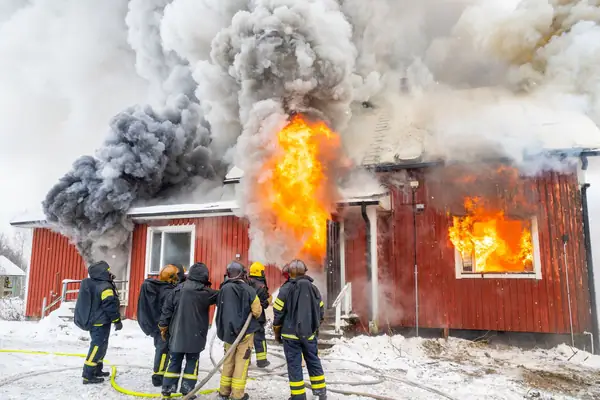
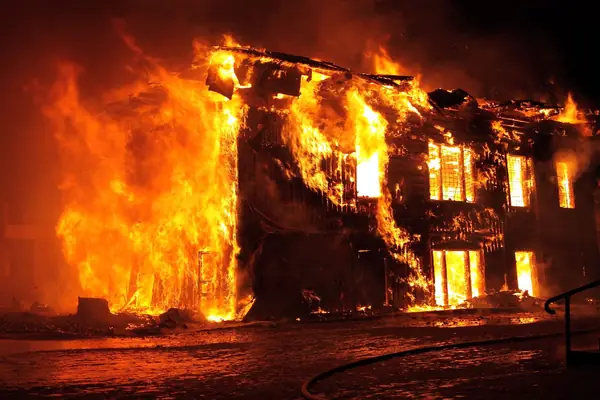
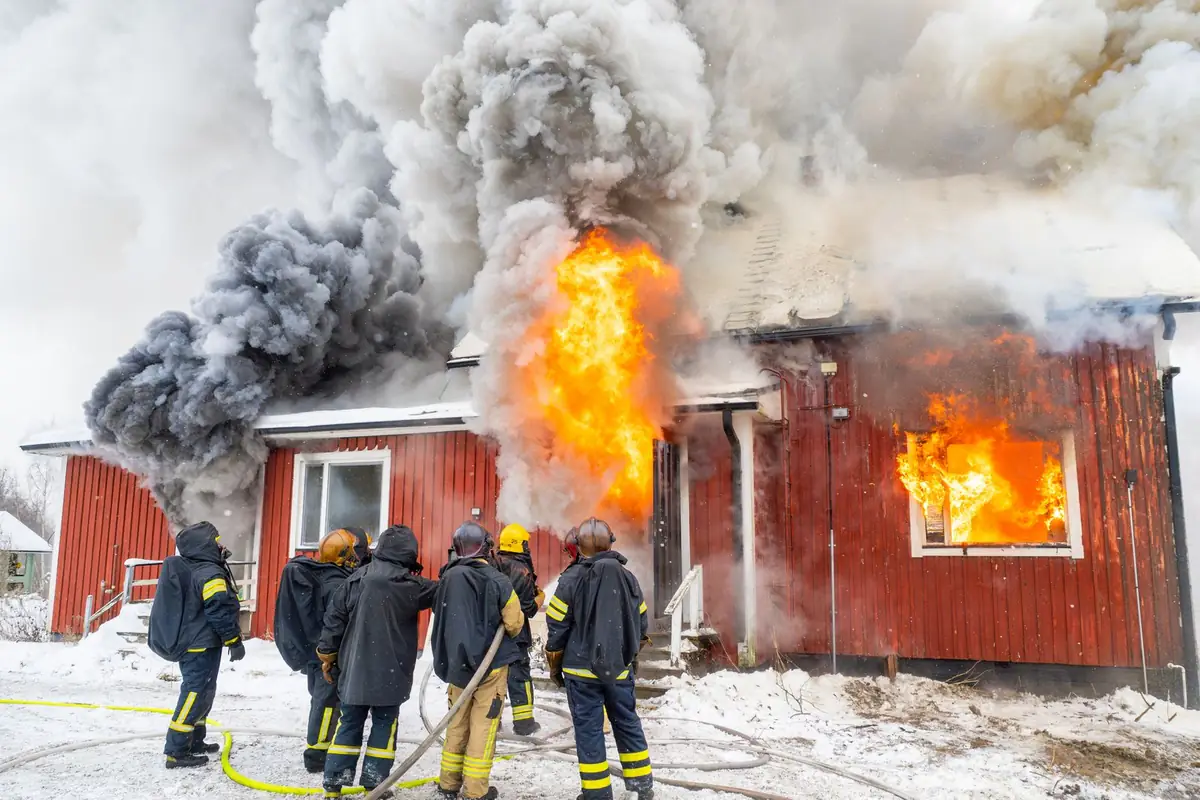
Most people think of fire damage first. But the water used to put out a fire often causes as much damage as the flames. Water soaks into drywall, insulation, subfloors and carpet pad, and it runs into lower floors and crawlspaces. The same drying process applies to burst pipes, appliance leaks and storm water. Providers reached through fire damage restoration in Nashville handle water from every source.
What water damage restoration includes
- Finding the source and stopping the water, or confirming firefighting has ended.
- Moisture mapping with meters and thermal imaging cameras to find wet areas behind walls.
- Extracting standing water from floors, carpet and subfloors.
- Removing wet carpet pad, insulation and drywall that cannot be dried in place.
- Structural drying with air movers and low-grain refrigerant dehumidifiers.
- Antimicrobial treatment where water was contaminated.
- Daily moisture readings until materials reach dry targets.
- Documentation for your insurance claim.
Water sources and categories
The ANSI/IICRC S500 standard groups water by contamination level. Category decides what can be dried in place and what must be removed.
| Water source | Typical category | Why it matters |
|---|---|---|
| Burst supply pipe or water heater | Category 1 (clean) at first | Becomes more contaminated the longer it sits |
| Firefighting water mixed with soot and ash | Often treated as Category 2 or 3 | Carries soot, debris and chemicals into materials |
| Dishwasher or washing machine overflow | Category 2 (gray) | Contains detergents and organic matter |
| Sewer backup or outdoor floodwater | Category 3 (black) | Porous materials are usually removed |
| Roof leak through a fire-vented opening | Category 1 to 2 | Soaks attic insulation and ceilings quickly |
The water damage restoration process
- Inspection. The provider confirms safety, finds the water source and maps moisture.
- Extraction. Truck-mounted or portable extractors remove standing water.
- Removal of wet materials. Saturated pad, insulation and drywall come out where needed, often cut above the wet line.
- Drying setup. Air movers and dehumidifiers are placed to dry the structure, and the area is closed to control humidity.
- Monitoring. Moisture readings are taken and logged until materials reach dry standards.
- Cleaning and treatment. Surfaces are cleaned and treated, and mold checks are done if drying was delayed.
- Repairs. Drywall, flooring and trim are replaced through fire damage repair.
Why firefighting water needs special care
Firefighting water is rarely clean by the time it settles. It carries soot, ash and debris on the way through the house. So ceilings and walls below the fire often show staining as well as moisture. Wet ash is caustic and can damage finishes, and soot carried by water stains carpet and grout. Because the fire may have damaged roofing and windows, rain can keep adding water unless the home is tarped and boarded through emergency board-up.
Drying a fire-damaged house also means drying the right things first. Providers usually remove materials that will be torn out anyway, so drying equipment works on framing and subfloors that will stay.
Drying equipment
| Equipment | Purpose |
|---|---|
| Truck-mounted and portable extractors | Pull standing water from carpet and hard floors |
| Air movers | Move air across wet surfaces to speed evaporation |
| LGR dehumidifiers | Pull moisture out of the air so materials keep drying |
| Moisture meters | Measure moisture in drywall, wood and flooring |
| Thermal imaging cameras | Show cool, wet areas hidden behind walls and ceilings |
| Hygrometers | Track temperature and relative humidity in drying rooms |
What affects the cost of water damage restoration
Cost depends on the area affected, how long materials stayed wet, the water category, how much material is removed, the number of drying days and equipment pieces, and whether mold is found. Water that sat for several days usually costs more to address than water extracted the same day.
DIY vs. professional drying
Shop vacuums and fans can help with a small, clean spill caught right away. They are not enough for water inside walls, under flooring or in ceilings, or for water mixed with soot. Call a professional when water spread across more than one room, came through a ceiling, sat more than a day, or came from firefighting or a sewer line. Turn off power to wet areas if you can do so safely.
Insurance notes for Tennessee
Water used to put out a covered fire is normally part of the fire claim. Sudden pipe bursts are often covered, while gradual leaks and outdoor flooding usually are not. The Tennessee Department of Commerce & Insurance notes that standard homeowners policies generally do not cover flood damage, which requires a separate flood policy. Read the homeowners insurance and fire damage guide for more detail.
Local note: Homes near Old Hickory Lake in Hendersonville and near the Cumberland River in East Nashville and Inglewood can face flood and high-humidity drying challenges, while basements in Brentwood and crawlspaces in Goodlettsville and Madison collect water that runs down from upper floors.
Water damage restoration questions
How fast does water damage need to be dried?
The EPA advises drying water-damaged areas and items within 24 to 48 hours. After that, mold growth becomes more likely, especially in Middle Tennessee's humid months.
Can wet drywall be saved?
Sometimes. Drywall wet with clean water and dried quickly may be saved. Drywall soaked by firefighting water, sewer water or water that sat for days is usually cut out and replaced.
How long does it take to dry a house?
Most structural drying takes three to five days once equipment is in place. Hardwood, plaster and dense materials can take longer.
Does homeowners insurance cover water from firefighting?
Water used to put out a covered fire is typically treated as part of the fire loss. Confirm details with your adjuster.
Will I need mold remediation after water damage?
Not if materials are dried quickly and correctly. If drying was delayed or a musty smell appears, mold remediation may be needed.
Sources
- EPA: A Brief Guide to Mold, Moisture and Your Home
- EPA: Mold Course Chapter 4
- Tennessee Department of Commerce & Insurance: Managing the claims experience
- Wikipedia: Water damage
Last reviewed November 10, 2026. General information, not legal, insurance or professional advice. See the editorial policy for how this page is researched and updated.