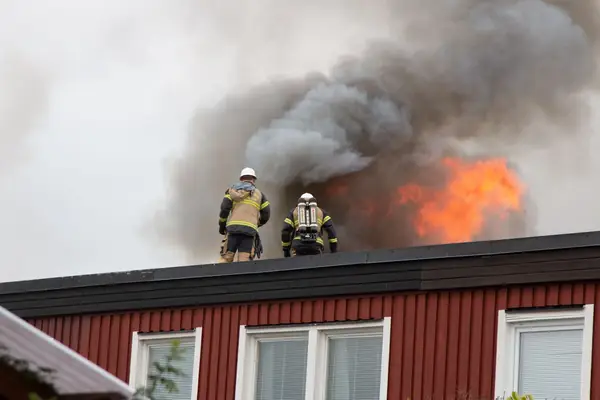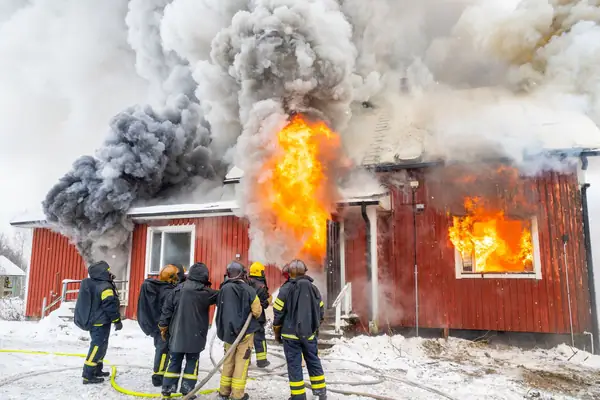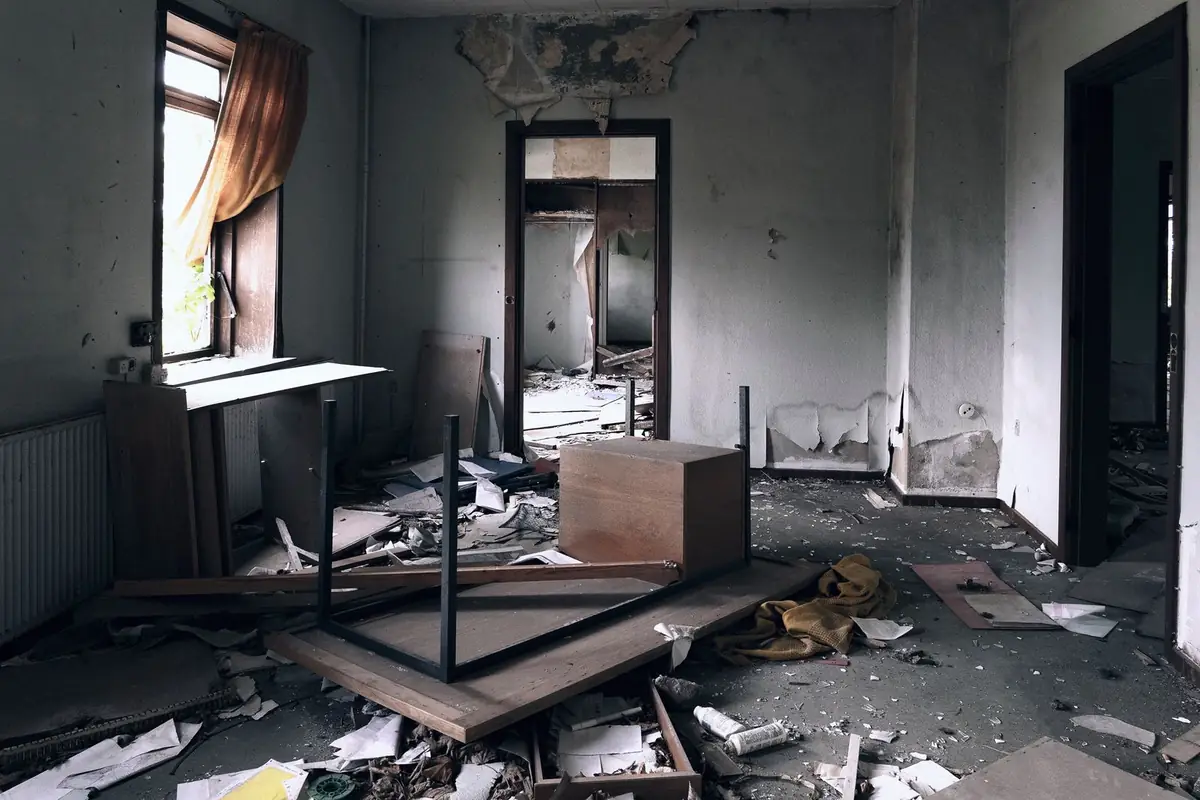
Quick answer: Fire damage cleanup in Nashville, TN removes burned debris, charred building materials and wet, contaminated contents so the home can be dried, cleaned and rebuilt. It usually starts within a day or two of the fire. This is because acidic soot keeps staining surfaces the longer it sits and wet materials can grow mold in 24 to 48 hours.
Fire damage cleanup, sometimes called fire damage removal, is the hands-on first phase of fire damage restoration in Nashville. It clears the way for drying, deodorizing and repairs. Nashville Fire Removal Pros can connect you with a local provider who handles cleanup and the steps that follow.
What fire damage cleanup includes
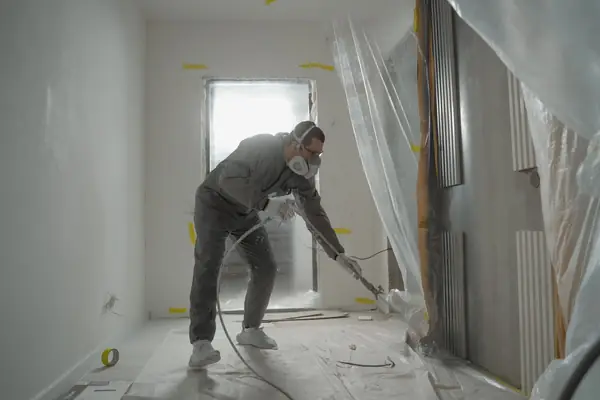
A full cleanup is more than hauling away burned furniture. A thorough provider will typically handle:
- A walk-through with photos, video and notes for your insurance claim before anything is moved.
- Securing the property with plywood and tarps if windows, doors or the roof were broken or vented.
- Removing standing water left by fire hoses and sprinklers.
- Sorting contents into items that can be cleaned and items that are a total loss, with a written inventory.
- Hauling debris to an approved landfill or transfer station.
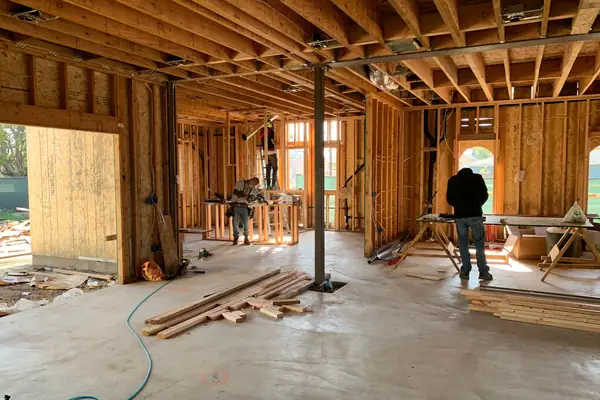
- Tearing out charred drywall, insulation, carpet, pad and trim down to sound framing.
- HEPA vacuuming loose soot and ash before wet cleaning starts.
- Setting up air scrubbers so soot does not spread into clean rooms.
Common sources of fire damage in Nashville homes
The table below shows where cleanup crews most often find damage and why each area matters.
| Fire source | What is left behind | Why it matters |
|---|---|---|
| Kitchen stovetop fire | Greasy protein residue on cabinets, ceilings and vents | Strong odor and staining spread well beyond the stove |
| Space heater or fireplace | Charred flooring, furniture and wall finishes near the heat source | Heating fires peak in winter, when windows stay shut and smoke lingers |
| Electrical fire in a wall | Hidden char inside the wall cavity and attic | Damage can be larger than the visible scorch marks |
| Dryer vent fire | Soot in the laundry room and vent run | Lint fires can smolder and send smoke through the HVAC system |
| Garage or attic fire | Roof decking and rafter damage, heavy water from hoses | Structural repairs and permits are often needed |
The fire damage cleanup process
- Safety release. Work starts only after the fire department releases the property and the power and gas are made safe.
- Damage documentation. The provider photographs every room and records moisture readings for the adjuster.
- Stabilization. Openings are boarded, the roof is tarped, and water is extracted to stop further damage.
- Contents triage. Salvageable items go to contents cleaning and pack-out, and non-salvageable items are listed for your claim.
- Debris removal and tear-out. Burned and saturated materials are removed and bagged or loaded for disposal.
- Rough cleaning. HEPA vacuuming and dry soot sponging prepare surfaces for detailed soot removal.
- Hand-off to drying and rebuild. Wet framing moves to drying, and the provider prepares a scope for fire damage repair.
The fire damage restoration timeline explains how long each phase usually takes.
Tear-out decisions: what stays and what goes
Good cleanup saves money by removing only what cannot be restored. Providers who follow the ANSI/IICRC S700 standard for fire and smoke damage restoration assess each material for residue, heat exposure and odor before deciding. In practice:
- Drywall with light smoke film can often be cleaned and sealed. Drywall with char, blistering or saturation from fire hoses is usually cut out, typically at least two feet above the wet line.
- Insulation traps smoke odor and absorbs water, so it is almost always replaced in affected walls and attic areas.
- Framing with surface char can often be cleaned by soda blasting or dry-ice blasting and then sealed. Deep char that reduces the size of a joist or stud needs replacement.
- Hardwood floors may be sanded and refinished if they are not cupped or burned through. Carpet and pad that absorbed soot and water are generally discarded.
- Cabinets near the fire source often warp from heat. Cabinets farther away may only need cleaning and refinishing.
Equipment used in fire damage cleanup
| Equipment | Purpose |
|---|---|
| HEPA vacuums | Capture fine soot and ash without blowing it back into the air |
| Air scrubbers | Filter airborne particles during demolition |
| Truck-mounted or portable extractors | Remove firefighting water from carpet and subfloors |
| Moisture meters and thermal imaging cameras | Find wet materials hidden inside walls |
| Dry chemical sponges | Lift dry soot before wet cleaning |
| Respirators, gloves and coveralls | Protect workers from soot, ash and sharp debris |
What affects the cost of cleanup
Cleanup pricing depends on square footage, how much material needs tear-out, debris volume and disposal fees, whether hazardous materials such as older asbestos-containing products need testing, and how wet the structure is. Ask for a written estimate and compare it with your adjuster's scope before you authorize work.
DIY cleanup vs. calling a professional
Homeowners can safely bag ruined food, photograph damage and move undamaged valuables to a safe place. Call a professional when soot covers more than one room, when firefighters used water inside, when the ceiling or floor feels soft, or when wiring was near the fire. Wiping soot with a wet rag can smear it into paint, and stirring up ash without respiratory protection is a health risk.
Insurance and permit notes for Tennessee
Most homeowners and renters policies expect you to take reasonable steps to prevent further damage after a fire. The Tennessee Department of Commerce & Insurance advises photographing damage before moving debris, keeping damaged items for the adjuster when possible, and saving receipts. In Davidson County, Metro Codes requires a permit for drywall repair or replacement over 100 square feet. So larger tear-outs lead to a permitted rebuild. Read the renters insurance and fire damage guide if you rent.
Local note: Cleanup in East Nashville and Inglewood often involves plaster-and-lath walls in older homes, while providers in Murfreesboro and Antioch see more apartment fires where smoke and water reach several units. In Hendersonville, lake homes with wood decks may need exterior debris cleanup too.
Fire damage cleanup questions
How soon should fire damage cleanup start?
As soon as the fire department releases the property. Soot is often acidic and keeps staining surfaces the longer it sits, and materials soaked by fire hoses can grow mold within 24 to 48 hours.
Can I clean up fire damage myself?
You can handle small tasks such as bagging spoiled food and photographing rooms. Heavy soot, wet drywall and structural damage need professional equipment and protective gear, and DIY cleaning can make stains permanent.
Will insurance pay for fire damage cleanup?
Standard homeowners policies generally cover cleanup after a sudden, accidental fire, subject to your deductible and limits. Check with your adjuster before work begins and keep copies of every estimate and invoice.
What happens to the debris?
The provider loads it into a dumpster or truck and takes it to an approved disposal site. Items you are claiming should be photographed and listed before they leave the property.
Is fire damage removal the same as fire damage restoration?
Removal is the cleanup and tear-out phase. Restoration covers the whole job, from cleanup through drying, deodorizing and rebuilding to pre-loss condition.
Sources
- IICRC standards page: ANSI/IICRC S700 Standard for Professional Fire and Smoke Damage Restoration
- EPA: A Brief Guide to Mold, Moisture and Your Home
- Tennessee Department of Commerce & Insurance: Managing the claims experience
- Metro Nashville Codes: Renovate a single-family residence
- NFPA: Home Cooking Fires report
Last reviewed November 10, 2026. General information, not legal, insurance or professional advice. See the editorial policy for how this page is researched and updated.